WNEW 1130 AM (New York): A Short, Unsparing History of a Giant That Died on the Air
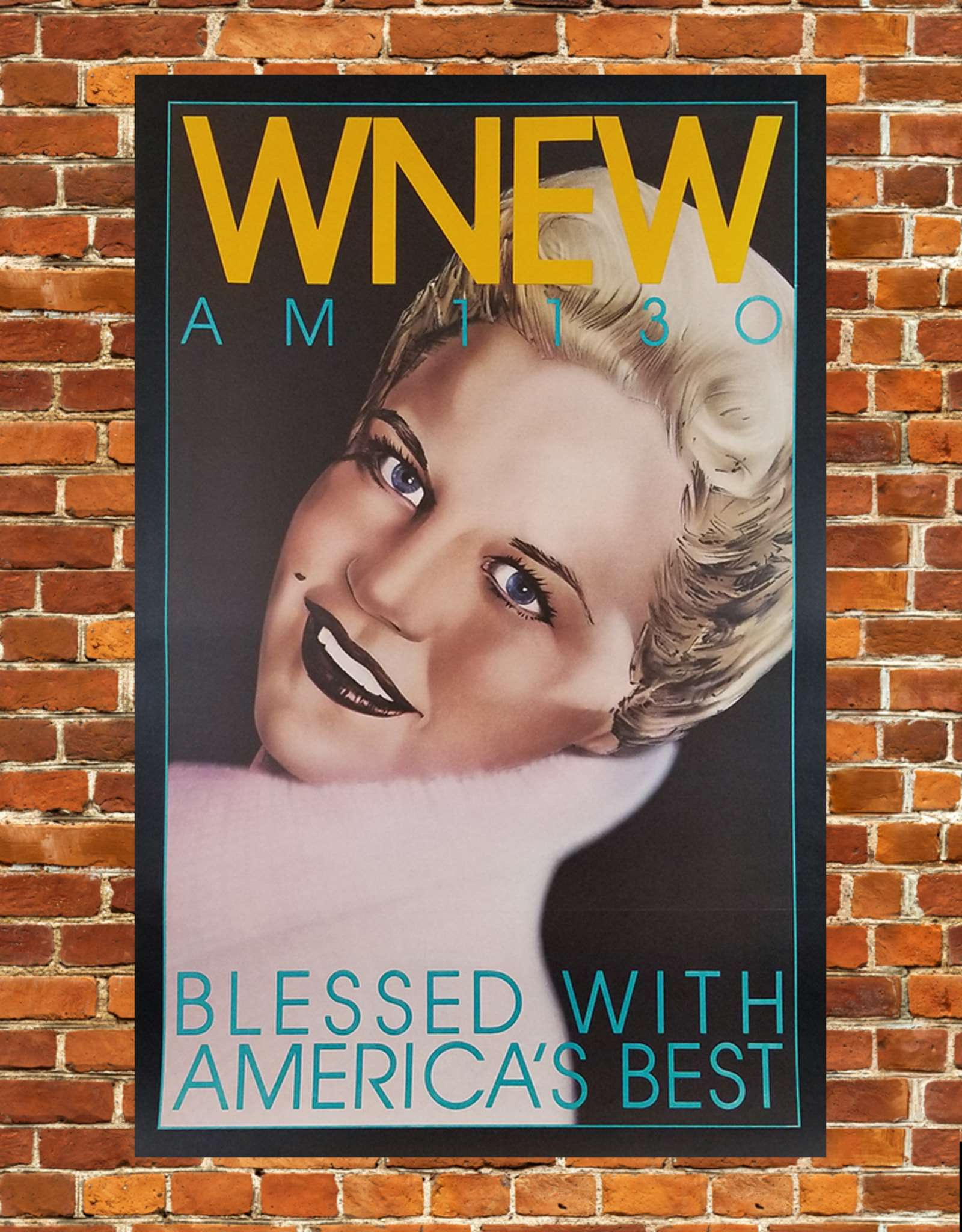
If you grew up within earshot of New York radio, “WNEW 1130” wasn’t just a station. It was an institution: big-city polish, neighborhood intimacy, and a bench of voices that treated broadcasting like a craft. It also serves as a clean case study in how media eras end—slowly, then all at once.
Today, 1130 kHz in New York is Bloomberg Radio WBBR. But for nearly six decades, WNEW was the sound of adult New York: standards, big bands, personality radio, news, talk, sports—then an increasingly frantic search for relevance as the audience aged and the market moved on.
What “1130” is today (and why it matters)
- WBBR 1130 AM is a Class A clear-channel station licensed to New York City, now branded as Bloomberg Radio and built around business/financial news.
- The key point: 1130’s signal is a major New York asset, and the WNEW era ended when that asset was repurposed for a different business model.
Origins and early identity: consolidation, then ambition
- The WNEW story starts with early New York AM broadcasting and station consolidations that produced the “WNEW” identity in the mid-1930s.
- By the mid-century period, WNEW became known for a personality-driven approach—hosts with real followings, not anonymous format clocks.
The 1941 call-letter swap that confuses everyone
One of the most easily-misremembered facts about WNEW is the 1941 identity swap:
- In late 1941, WNEW and WOV exchanged identities, moving WNEW call letters and programming to 1130 kHz.
- Practically: the “WNEW on 1130” people remember is a result of that swap and subsequent power/positioning changes.
The WNEW “adult New York” era: standards, class, and voices
WNEW’s reputation was built on a few pillars:
1) Music that treated adults like adults
- WNEW became strongly associated with Sinatra-era standards, great American songwriting, and big-band material—the soundtrack of a certain New York self-image: urbane, late-night, and confident.
2) Personality radio as a professional guild
- Through the 1950s–60s, WNEW’s lineup embodied the era when hosts were the product. The station’s morning and personality programming became part of New York’s daily routine.
3) A real news operation
- WNEW invested early in routine, frequent newscasts and later built its own news department—serious work for an “independent” station.
The long slide: format drift in the 1960s–1980s
The market moved. WNEW tried to move with it—sometimes gracefully, often not.
- In the 1960s, the station began reducing big-band and heavy-standards rotation and leaned more into softer contemporary material.
- By the 1970s, WNEW’s identity blurred into adult contemporary/MOR territory—an attempt to stay younger without alienating its base.
- Internally, these shifts could get ugly: talent changes, programming fights, and the predictable “management tries to fix the clock with a hammer” cycle.
This is the hard truth about legacy media: once a station’s core audience ages out, “heritage” becomes a liability unless you can monetize nostalgia at scale.
The endgame: sale to Bloomberg and the final sign-off (December 1992)
The end of WNEW is unusually well documented—and unusually symbolic.
- Bloomberg agreed to buy the station in 1992 and WNEW’s airstaff was allowed a public goodbye.
- The farewell programming culminated in December 1992, and the station’s last hours were staged as an end-of-an-era event, not a quiet format flip.
- The on-air finality is captured in the recorded engineering announcement used at sign-off (often quoted by historians and collectors).
After that, 1130 became WBBR, and Bloomberg’s business-news identity eventually became the station’s modern purpose.
Why WNEW still matters (even if you never heard it live)
WNEW 1130 is a clean marker for three big shifts:
-
From personalities to formats
Radio moved from hosts-as-stars to productized programming. -
From broad adult taste to segmented niches
The mid-century “shared playlist” collapsed into demographics and targeting. -
From cultural institution to monetized signal
In the end, 1130’s reach mattered more than WNEW’s legacy.